Top Apps
Voice Access
AlfredCamera Home Security app
VPN Lumos: Super Secure VPN
Shortcut Maker
Adobe Express: AI Photo, Video
gift sun
سعر الذهب و الدولار اليوم
Abraj: Horoscope & Astrology
Noping
Yandex Browser with Protect
Screen On/Off With Double Tap
Data Transfer - Copy My Data
Ashampoo Mobile
Unity Remote 5
Syncplicity
Apps Zone
All Rights Reserved © Apps Zone 2026

Web Scanner
Browse multiple accounts smartly and easily in one place
Simple Tech Dev
Review (4.7)
Reviews
+31K
Downloads
+5M
Security
Safe
The Evolution and Need for Dual Scanners in Social Messaging Applications
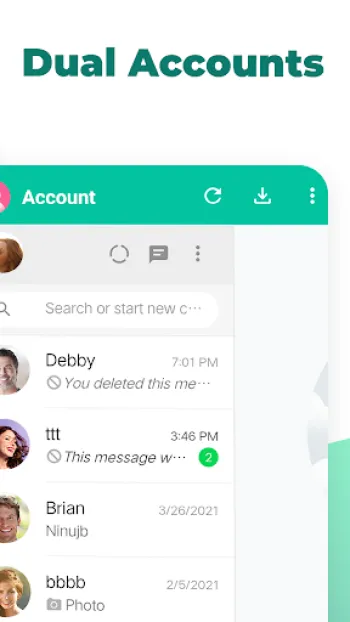
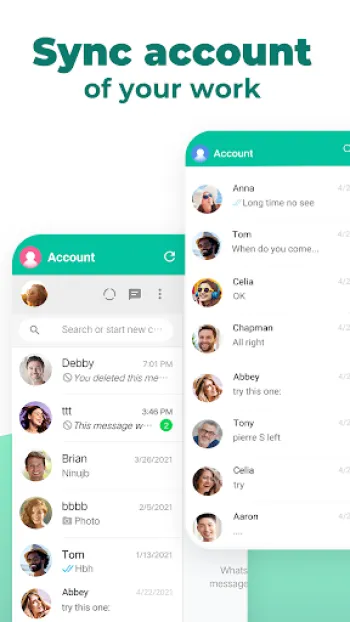
Over the past decade, social messaging applications have revolutionized the way individuals communicate globally, transcending geographical and cultural boundaries. Initially, platforms such as WhatsApp, Facebook Messenger, Telegram, and others were designed for a single user account per device, mainly to secure user privacy and prevent unwanted crossovers between personal and professional interactions. However, with the rise of digital multitasking and the growing demand for managing multiple identities or roles simultaneously, the traditional single-account setup began to show its limitations. Users including entrepreneurs, freelancers, and corporate employees sought efficient methods to switch between multiple accounts quickly without the need to log out repeatedly, which caused disruption and inefficiency. This growing need birthed innovations like dual or multi-account scanners that allowed seamless simultaneous access to different social messaging accounts from one device using QR code scanning methods. Such tools alleviate the cumbersome hassle of managing varied communication channels, especially when messages from separate lives – personal, work, or community – must be handled promptly and discreetly. The “Ultimate Dual-Scanner for Social Messaging Apps” exemplifies this evolution by integrating advanced QR code scanning technology with sophisticated account management protocols enabling users to mirror or clone multiple accounts on a single device or use the same account across different devices simultaneously. Underlying this functionality are complex verification and synchronization algorithms that maintain message integrity, real-time updates, and data consistency across platforms, adhering strictly to privacy norms and security frameworks. For instance, if an entrepreneur runs a business account and a personal contact list over the same mobile phone, the application cleverly divides account ecosystems so conversations, media files, and contacts remain segregated yet accessible within the app environment. This structural segregation not only enhances user experience but also significantly reduces risks associated with message mix-ups or privacy violations. Furthermore, the application tackles bandwidth and storage management issues by implementing smart caching techniques and encrypted data transmission, allowing the dual scanner to operate smoothly without hogging device resources or risking unauthorized surveillance. An intriguing technical advantage lies in how the application handles synchronous logins for identical accounts on multiple devices – it leverages secure token-based authentication combined with periodic session validation to ensure messages sent or received from one device instantly reflect on all synchronized endpoints. This approach is particularly beneficial for remote workers or collaboration teams needing parallel access without compromising security. Overall, the rise of dual scanners for social messaging applications marks a pivotal shift from mono-device singular account dependence to dynamic multi-account interactions, creating a new digital ecosystem where communication is more flexible, efficient, and smarter, bridging personal and professional worlds effortlessly.
Technical Architecture and Core Functionalities of the Ultimate Dual-Scanner
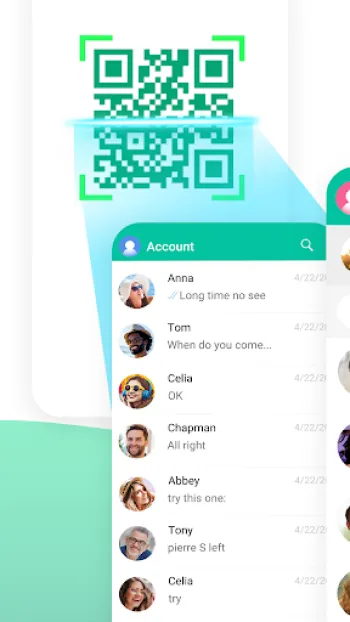
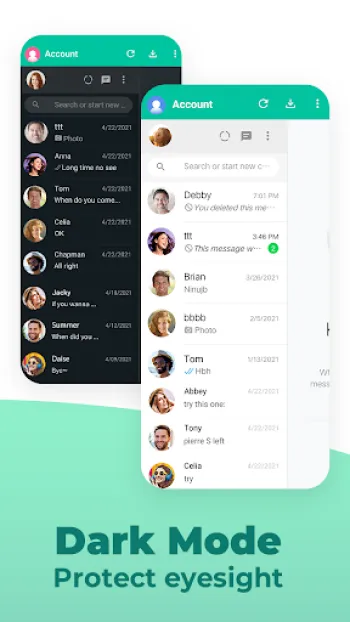
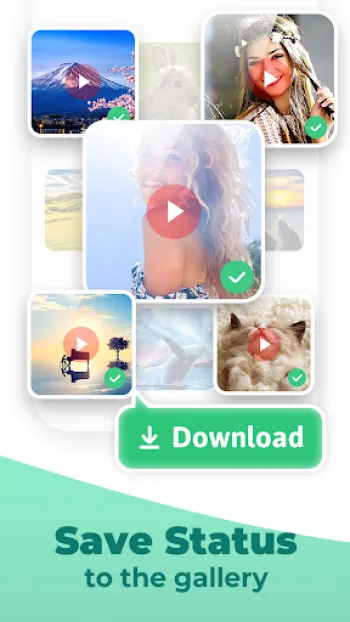
The technical backbone of the Ultimate Dual-Scanner for social messaging apps is an intricate blend of client-server architectures, cryptographic protocols, and user-centric interface designs that enable multi-account cloning, session management, and real-time messaging synchronization. The dual-scanner operates primarily by leveraging QR code-based authentication—a secure and swift method allowing the app to connect two devices or multiple accounts. Initially, the QR code acts as a temporary security token encoded with an encrypted session key, which the scanning device deciphers to initiate the session linking process without exposing sensitive credentials like passwords. This method provides a significant security leap over traditional login systems prone to man-in-the-middle attacks or password phishing. Internally, the app integrates robust modular components. The account management module isolates session data of each logged-in account using sandboxed storage, which ensures that messages, contacts, and multimedia files remain distinctly partitioned and protected, enhancing both speed and security. This isolation is reinforced by encryption at rest, securing stored data with advanced AES-256 encryption, safeguarding against device compromises or unauthorized access. Another pivotal feature is the real-time message sync engine, which connects to messaging server APIs via WebSocket or HTTPS long polling to facilitate instantaneous message transmission. It maintains session continuity across devices, guaranteeing that any received or sent message updates appear in near real-time on all logged-in copies of the account, making it seamless for users who switch between device platforms like phones, tablets, or desktop web apps. The status saver functionality embodies a practical enhancement within the app’s ecosystem. It continuously monitors status updates—which usually include disappearing photos and videos—through dedicated API hooks. These multimedia assets are cached locally and organized with intelligent tagging and categorization protocols, enabling users to download, store, and manage statuses efficiently. Advanced compression algorithms optimize storage by reducing media sizes without sacrificing visual quality, ensuring minimal device footprint. Moreover, the user interface is architected with responsiveness and usability in mind. It supports adaptive layouts that respond fluidly to various screen sizes and resolutions, from large PC monitors to compact smartphone displays. Gesture-based navigation, customized notifications per account, and seamless switching mechanics that operate with minimal latency enrich user experience, making the complexity under the hood transparent for daily use. Another integral element is privacy and data governance compliance. The app employs strict anonymization protocols and abstains from collecting any personal or private information, operating independently without affiliation to third parties, thereby reinforcing user trust. This independency ensures no backdoors or hidden data mining features, crucial in today’s environment where data privacy regulations like GDPR and CCPA hold paramount importance. Furthermore, the application supports diverse platform integration. Though primarily optimized for Android with plans for broader OS compatibility, its underlying architecture allows adaptability for future Windows, Linux, and Mac environments, utilizing cross-platform development frameworks and web-based components. This multi-platform strategy ensures future resilience and accessibility regardless of device ecosystems. In totality, the Ultimate Dual-Scanner represents a technical masterpiece involving sophisticated multi-threaded processing, stringent security postures, and elegant UI implementations that collectively empower users to manage social messaging accounts harmoniously and securely in one digital space.
Social and Practical Benefits of Multi-Account Management in Messaging
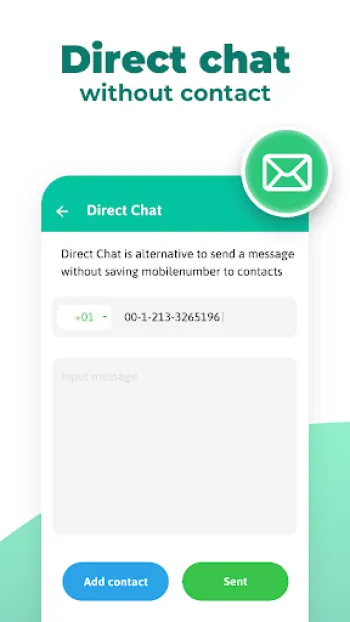
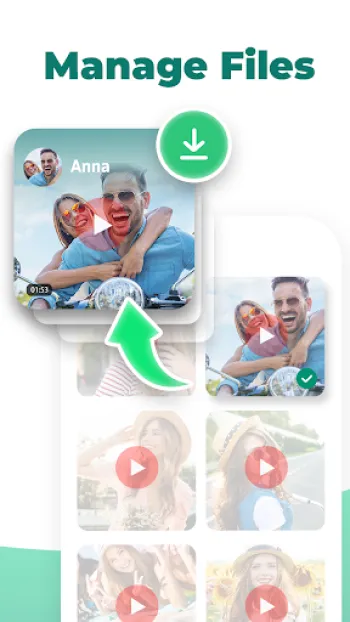
The practical implications of being able to handle multiple social messaging accounts concurrently filtered through a single interface as offered by the Ultimate Dual-Scanner are profound, touching on social, personal, and professional domains. From a social perspective, many users today engage with society on various fronts—family, friends, colleagues, interest groups, customer bases, and more—each often requiring distinct communication channels to maintain privacy and appropriate boundaries. Multi-account management software eliminates the historical friction caused by juggling separate devices or repeatedly authenticating different apps. Socially, it fortifies communication balance and mental well-being by reducing the cognitive overload linked to constantly switching contexts. For example, a person can compartmentalize work inquiries received between 9 am to 5 pm from their personal conversations happening after hours on a single device, avoiding unintended crossovers or message misses. This temporal and contextual segregation promotes healthier digital habits and reduces burnout associated with incessant connectivity. Practically, businesses reap considerable rewards from this technology. Entrepreneurs, small business owners, or social media managers often operate several brand accounts simultaneously, each representing different product lines, services, or client bases. The ability to switch instantly or parallelly handle all conversations accelerates response times, improves customer satisfaction, and enables better tracking of customer interactions without the confusion of mixed incoming messages. The integrated status saver feature, for instance, enables companies to archive marketing stories or customer feedback statuses effectively for future analysis or promotional reuse. Additionally, the ability to access the same account across multiple devices—such as on a desktop at work and a mobile phone on the go—supports collaborative workflows. Teams overseeing a shared messaging channel can operate without delays caused by waiting for the main operator to forward information or sync data manually. This continuity fosters a more dynamic digital workspace, where communication data remains centralized and accessible under a secure umbrella. Security-wise, the structured account separation minimizes risks of accidental information leaks that typically occur when users attempt to merge or duplicate content manually across accounts. The app’s end-to-end encryption and sandboxed storage empower users with peace of mind that sensitive conversations, be they personal or business-critical, remain segregated and shielded from external intrusions. On a more technical social front, the Web Scanner supports direct chat features, allowing users to send messages without saving phone numbers first—addressing a common pain point in privacy-oriented communication where users prefer to contact new people ad hoc without permanently storing their contacts. This feature is invaluable for networking purposes or quick transactional communications. Moreover, the app’s ease of file management allows users to handle photos, videos, voice notes, and documents effortlessly across cloned accounts, which would otherwise be complicated given the restrictions of native social apps that often bind files to single accounts or devices. Finally, from a global connectivity angle, by facilitating cross-device simultaneous login, the app reduces barriers for international users and remote teams who need consistent access to communication networks despite time zone differences or geographic dispersal, bridging the gap between fragmented digital communications into a unified, manageable flow.
Challenges and Security Considerations in Using Dual-Account Scanners
Despite the numerous advantages brought by dual-account scanners in social messaging applications, several challenges and security considerations must be thoroughly addressed to maintain system integrity and user trust. One primary concern surrounds account authentication security, given that allowing multiple login points for the same account increases the attack surface. Though QR code scanning is a secure method when implemented correctly, vulnerabilities could arise if codes are captured or replicated by malicious actors, potentially granting unintended access. Therefore, robust session expiration mechanisms, two-factor authentication integration, and anomaly detection systems form critical layers in the app’s security framework to mitigate unauthorized intrusions. Another challenge relates to maintaining synchronization consistency across multiple devices. Messaging applications handle large volumes of real-time data, including texts, multimedia, and live status updates. The complexity increases exponentially when these data need to be mirrored accurately across different platforms and accounts. Network latency, transient connection disruptions, or conflicting edits may generate data loss or duplicate message scenarios, undermining user experience. To counter this, the app employs conflict resolution algorithms, message queueing, and incremental synchronization techniques that ensure eventual consistency while reducing the risk of duplicated or missing conversations. Privacy compliance presents another multifaceted hurdle. Since dual-account scanners straddle separate user data silos, ensuring that personal identifiable information or sensitive communication remains insulated for each account is paramount. The app’s design incorporating encrypted sandbox storage aims to address this, but developers must continuously audit codebases, update cryptographic standards, and enact strict data access policies to stay resilient against cyberattacks or data leaks. Users also must be educated about the limits of app permissions, urging caution when granting access to device storage or contacts. On the usability front, offering an intuitive interface that manages multiple accounts without overwhelming the user is challenging due to potential interface clutter and operational confusion. The onboarding process must provide clear guidance, and session indicators should be visually distinct to prevent message cross-posting or sending information to incorrect contacts. Accessibility features like screen reader compatibility and adjustable text sizes also need consideration to serve diverse user groups inclusively. Technical maintenance is yet another significant consideration. Supporting multi-platform capabilities demands continual updates across Android, Windows, Linux, and possibly MacOS ecosystems, each with differing software requirements, security patches, and compatibility constraints. This requires a dedicated development cycle embracing continuous integration and delivery methodologies to promptly address vulnerabilities and adapt the app to evolving messaging platform APIs. Furthermore, the app must comply with messaging providers’ terms of service to avoid actions like account suspension or limited access due to automated multi-login detection systems that platforms sometimes enforce as anti-fraud measures. Therefore, legal and compliance reviews accompany technical deployment. Lastly, the potential for device resource consumption is a practical limitation. Running multiple concurrent sessions can drain battery life, consume excessive bandwidth, and increase CPU usage. The built-in optimization through smart caching, selective background synchronization, and resource throttling addresses these challenges, but users must also manage expectations related to mobile device constraints. In conclusion, while the ultimate dual-scanner offers a groundbreaking tool for modern communication needs, it operates within a complex landscape that requires combining cutting-edge security, sophisticated technical strategies, and user-centric design principles to overcome inherent challenges and protect user interests effectively.
Future Trends and Innovations in Social Messaging Multi-Account Management
The future of multi-account management in social messaging is poised for exceptional growth and innovation, driven by advancing technologies in artificial intelligence, blockchain security, augmented reality, and decentralized communications. As user demands for seamless, secure, and personalized communication intensify, applications like the Ultimate Dual-Scanner will increasingly integrate features that go beyond mere account cloning to provide intelligent interaction management. Artificial intelligence (AI) and machine learning (ML) algorithms are expected to play a pivotal role in this evolution. Predictive analytics will enable the scanner to prioritize messages based on importance or past user behavior, intelligently classifying incoming communications across multiple accounts, and highlighting urgent conversations automatically. AI-driven chatbots integrated within the scanner could assist in managing routine queries or scheduling replies across accounts, streamlining workflows for businesses and busy individuals. Furthermore, AI can enhance security by detecting anomalies in login patterns, flagging possible fraudulent access instantly. Blockchain technology also offers intriguing prospects for account security and decentralized data storage. By employing blockchain’s immutable ledgers, future dual-scanner apps could provide transparent and tamper-proof audit trails of account access, ensuring ownership rights and accountability for each session. This decentralization can reduce reliance on centralized servers, improving data privacy and reducing vulnerability to hacking. Additionally, blockchain-based identity verification could streamline QR code authentication to be more resilient against cloning attacks. Augmented reality (AR) represents another frontier. Envision users able to scan a QR code via AR interfaces projected on smart glasses or contact lenses, opening messaging accounts interactively without even touching a physical device. AR could facilitate immersive multi-account dashboard views where users can visualize separate conversations in spatial dimensions for enhanced multitasking capabilities. Integration with Internet of Things (IoT) devices can extend this ecosystem further. Smart home devices, wearables, and automotive infotainment systems may soon support multi-account messaging logins via QR code scanning, allowing users to receive notifications and reply on the go without interrupting primary tasks. Multi-factor authentication mechanisms will continue to evolve, incorporating biometrics such as facial recognition, heartbeat sensors, or voice recognition coupled with QR scanning to raise the bar in security while maintaining convenience. Cross-platform operability will expand, with seamless transitions between smartphone, tablet, PC, web, and emerging device categories, powered by cloud synchronization technologies optimized for high speed and low latency. Additionally, privacy-preserving technologies like homomorphic encryption could enable future messaging applications to analyze conversation content for personalization or spam prevention without exposing raw data to service providers. Environmental considerations will influence app development, pushing for energy-efficient coding, data minimization, and sustainable server infrastructures to reduce carbon footprint, aligning with global digital responsibility goals. Socially, as remote work and digital nomadism rise, dual-scanner tools may evolve to incorporate virtual identity management beyond mere accounts, encompassing digital reputations, credentials, and permissions across workspaces, gaming, and metaverse environments. This expansion can redefine digital social circles and communication boundaries. In practical terms, developers will focus on improving the status saver by integrating cloud backup solutions, AI-assisted media tagging, and faster download capabilities with adaptive streaming to manage large multimedia flows efficiently. Augmenting direct web chat capabilities with features such as end-to-end encrypted group chats, message reactions, ephemeral messaging, and multimedia editing within the scanner app will enrich user interaction experiences further. Overall, the trajectory of multi-account social messaging scanners is toward becoming holistic communication command centers—intelligent, secure, scalable, and intimately integrated with daily digital lives. The current Ultimate Dual-Scanner is a strong foundation upon which future innovations will build to empower users in a diversified, interconnected virtual world.
For those interested in experiencing the full capabilities of this innovative application, it is available for download on multiple platforms. Android users can Download for Android, while support for other platforms remains under development. Stay tuned for upcoming releases to expand access across Windows, Linux, Mac, and iOS devices.
Share Your Opinion
Your Email Will Not Be Published.





















All Rights Reserved © Apps Zone 2026
Princecharming
the app is really good and working fine
Geeshta Vinusha
Deleted msgs are not shown when when using the app. For example, if I'm not on the platform when the other person is deleting msg. I can't find it ...
Chinonso Sunday
doesn't allow to click message sometimes. whenever message is clicked it will not show instead it will only show arrow mark. please you people shou...
B felix
wonderful,, superb ,,i no everything going on
Mehedi Hassan
good for me after all Long time running