Top Apps
WePlay(ويبلاي) - Game & Chat
Storytel - Audiobooks & Books
Cinema Box
Dating and Chat - iHappy
All-In-One Recorder
LocalSend: Transfer Files
نختم
TurboSpeed: Game Mode FPS
TeamViewer Remote Control
Remove Objects - Photo Editor
PayPal - Pay, Send, Save
Twist TV
تعلم اللغة الانجليزية من الصفر
AppBlock - Block Apps & Sites
AirDroid Parental Control
Apps Zone
All Rights Reserved © Apps Zone 2026

Google NotebookLM
Innovate and Learn New Languages with Smart and Smooth AI
Google LLC
Review (4.8)
Reviews
+55K
Downloads
+5M
Security
Safe
The Evolution and Foundations of AI-Powered Language Learning
Language learning, since its inception, has been a complex and multifaceted endeavor, evolving through centuries of pedagogical experimentation. Traditionally reliant on rote memorization, grammar drills, and immersion, the domain has witnessed a revolutionary transformation with the advent of artificial intelligence. The AI-powered language experience marks a fundamental shift from static, one-size-fits-all curricula to dynamic, adaptive, and deeply personalized learning environments. Powered by machine learning algorithms, natural language processing (NLP), and interactive speech recognition, these systems leverage vast datasets of linguistic inputs to tailor curricula to individual needs, learning speeds, and styles. Unlike conventional methods that demand extensive manual effort from instructors and learners, AI systems continuously analyze learner interactions, identify gaps in vocabulary, grammar, pronunciation, and comprehension, and suggest targeted interventions. For example, an AI may notice a learner’s difficulty differentiating subtle verb tense nuances in Spanish and provide contextual exercises, immersive dialogues, and instant corrective feedback, all while tracking progress in real time. Moreover, the integration of large pretrained models, including transformers like GPT, facilitates generative capabilities that allow for dynamic content creation—customized dialogs, vocabulary lists, and even creative writing prompts—thereby increasing learner engagement through novelty and challenge. Beyond rote linguistic function, AI-powered approaches model semantic understanding, pragmatics, and cultural context, acknowledging that efficient language proficiency requires not only vocabulary knowledge but also socio-cultural fluency. This ability to parse intent, idiomatic expression, and stylistic variation is a testament to deep learning architectures that incorporate vast corpora, ranging from classical literature to conversational datasets, enabling learners to absorb nuanced context during their experience. At the core of this evolution is a paradigm shift from passive consumption to active, student-centered language development shaped by immediate, data-driven insights. This depth of personalization extends to accommodating diverse learner demographics such as children, adults with varied cognitive abilities, and professionals seeking domain-specific language skills, facilitating specialized lexicons for fields like law, medicine, or technology. Through AI, language acquisition is transformed from a laborious, generalized endeavor into an engaging, scalable, and infinitely adaptable experience, fostering fluency not as an endpoint but as an evolving journey intimately aligned with each user’s goals and pace.
Technical Architecture and Algorithms Behind Smart Language Assistants
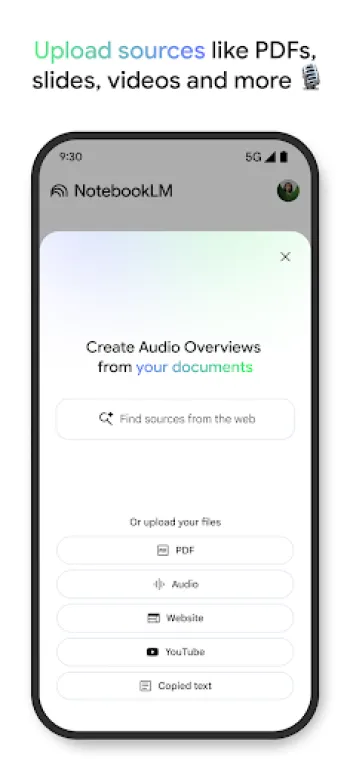
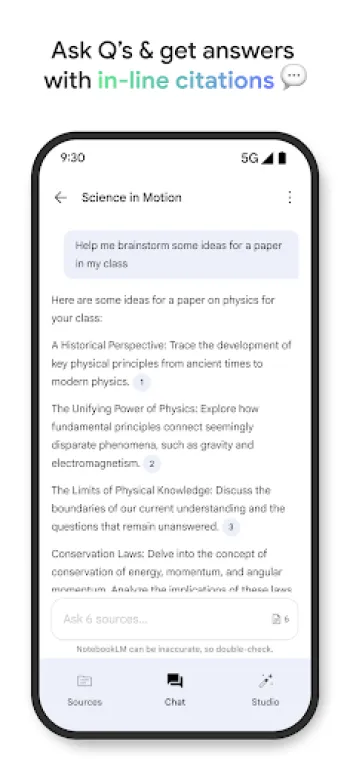
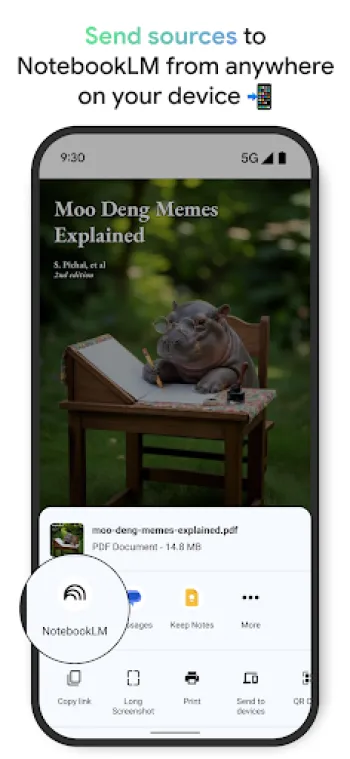
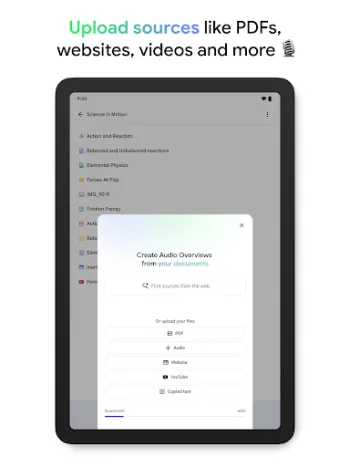
At the heart of an advanced AI-driven language experience lies a sophisticated technological ecosystem comprised of multiple interconnected components working synergistically to deliver smooth, intuitive interactions. The foundational technology includes complex neural networks trained on vast multilingual datasets, enabling the system to comprehend context, syntax, semantics, and phonetics in multiple languages. These networks often employ transformer-based architectures, which use attention mechanisms to weigh the importance of each word relative to others in a sentence, allowing for more nuanced text understanding and generation. Beyond text comprehension, speech-to-text and text-to-speech modules employ deep learning models trained on large audio corpora to enable accurate, real-time voice recognition and natural-sounding responses. These components require robust feature extraction techniques that transform raw audio signals into meaningful representations using Mel-frequency cepstral coefficients (MFCCs) or spectrograms, supplemented by recurrent neural networks (RNNs) or temporal convolutional networks for sequential prediction. The AI system continuously fine-tunes its models through reinforcement learning frameworks, where user interaction data and feedback serve as reward signals that promote improvements in language accuracy, pronunciation correction, and conversational fluidity. Data ingestion pipelines accommodate multiple formats, including PDFs, web pages, and multimedia sources, enabling learners to upload extensive material that the system parses using named entity recognition (NER), sentiment analysis, and summarization algorithms, thereby generating highly relevant content tailored to learners’ contexts. These pipelines rely on advanced pre-processing techniques such as tokenization, lemmatization, and syntactic parsing to convert input into model-readable formats. Flexibility is further enhanced by deploying modular architectures that isolate language understanding, dialogue management, and response generation, thus allowing continuous upgrades in specific components without disrupting the overall system. This modularity supports multi-turn dialogue capabilities where context tracking maintains coherence across interactions, making conversations appear more human-like. On the backend, cloud-based infrastructures ensure scalability and low latency, handling concurrent requests from millions of users; data storage solutions implement secure encryption to protect privacy while enabling personalized experiences based on individual learning history. Complementing these is an analytics engine that extracts insights from user data, predicting difficult concepts or lexical gaps, enabling proactive content delivery before errors arise. The amalgamation of these technical advances results in AI-powered language assistants that do not merely respond but anticipate learner needs, simulate natural learning environments, and offer immersive, multifaceted practice opportunities thus bridging theoretical language models with practical, real-world usage scenarios.
Practical Applications and Use Cases in Modern Education and Professional Fields
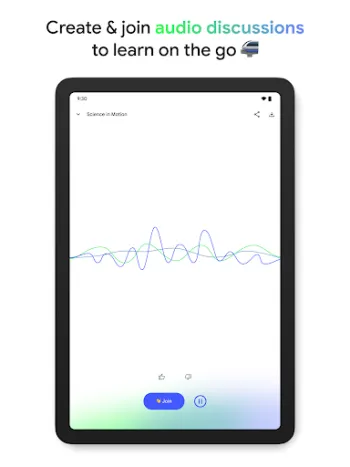
Integrating AI-powered language platforms into educational and professional domains yields transformative impacts on how languages are taught, learned, and applied. In formal education settings, such systems supplement traditional teaching by providing individualized language tutoring that adapts to each student’s unique progression curve. Whether in K-12 classrooms or higher education, AI tutors analyze learners’ oral and written work, identifying persistent errors such as improper verb conjugation or word order and delivering targeted exercises that reinforce proper usage. This continuous assessment stimulates learner autonomy, encourages self-paced advancement, and facilitates differentiated instruction where educators oversee broader class progress rather than individual remediation. For adult learners and professionals, AI language experiences become vital tools for rapid acquisition of domain-specific languages and terminologies. For instance, lawyers preparing for international negotiations or healthcare practitioners acquiring multilingual communication skills can upload relevant legal documents or medical texts; the system then constructs tailored glossaries, clarifies jargon through contextual examples, and simulates conversational scenarios reflective of their workplaces. Such functionalities significantly reduce onboarding time for expatriates or frequent business travelers, who need to interact fluently in diverse linguistic environments. Furthermore, content creators, journalists, and researchers utilize AI language tools to process large volumes of text, distilling complex academic papers or news articles into succinct summaries and generating audio overviews for multitasking convenience. This multi-modality supports varied learning preferences, making the acquisition of new languages more accessible and less cognitively taxing. In addition, AI-driven language experiences play indispensable roles in cross-cultural communication and global collaboration by providing real-time translation and pronunciation guides that preserve nuances often lost in conventional machine translation. This fosters inclusion and connectivity across geographically dispersed teams, breaking down linguistic barriers while maintaining cultural sensitivity. Importantly, these platforms facilitate continuing education for those with disabilities by offering assistive technologies such as speech-to-text and text-to-speech features, customizable interface options, and conversational AI that recognizes and responds to a range of communicative abilities. Ultimately, AI-powered language experiences bridge gaps between academic theory and real-world application, revolutionizing global competency and contributing to lifelong language learning strategies in an increasingly interconnected society.
Challenges and Ethical Considerations in AI Language Experience Development
Despite the tremendous advances in AI-driven language learning, the deployment and continuous development of such systems confront significant challenges and ethical dilemmas requiring rigorous attention. One primary technical challenge lies in addressing biases embedded within training data, which often reflect socio-cultural prejudices or language dialect dominance. For example, AI models trained predominantly on Western English corpora risk marginalizing non-native accents or regional idioms, potentially alienating users or reinforcing linguistic hierarchies. Developers must therefore implement fairness-aware algorithms and actively curate diverse, balanced linguistic datasets that represent varied dialects, sociolects, and cultural backgrounds to promote inclusivity. Furthermore, privacy concerns surface due to the sensitive nature of personal data collected during language learning—voice recordings, text inputs, and interaction patterns could reveal identity or cognitive traits. Robust encryption, anonymization protocols, and transparent data governance policies are imperative to secure user trust while maintaining functionality that leverages user data for personalized experiences. Another ethical complexity involves the potential over-reliance on AI tutors, which risks diminishing human interaction in the language acquisition process. While AI offers unprecedented scalability and accessibility, it cannot fully replicate the socio-emotional dimensions and cultural immersion essential for communicative competence. Striking a balance between human mentorship and AI facilitation remains a critical pedagogical concern. Additionally, ensuring accessibility for underprivileged communities who may lack reliable internet access or advanced hardware is necessary to prevent widening the digital divide in language education. Ethical deployment strategies include creating offline capabilities, lightweight application versions, and community-driven content so that benefits extend equitably. Transparency in AI decision-making is also a pressing responsibility; learners and educators require clear explanations about how language corrections occur or why certain content is prioritized to prevent opaque, algorithmic “black-box” issues. Finally, as AI systems become more conversationally sophisticated, developers must avoid unintended manipulation or misinformation dissemination inherent in automated responses. Implementing rigorous validation, content moderation, and safeguards against generating harmful or misleading language ensures ethical integrity. Addressing these layered challenges fosters responsible innovation that elevates AI-powered language experiences into tools that are not only effective but respectful, fair, and aligned with human values.
Future Prospects and Integration of AI Language Experience with Emerging Technologies
The future trajectory of AI-powered language learning heralds an era of unprecedented integration with emerging technologies, promising to deepen immersion, interactivity, and personalization beyond current frontiers. One anticipated evolution involves the fusion of AI language assistants with virtual and augmented reality (VR/AR) platforms, creating immersive language environments where learners participate in lifelike scenarios—such as navigating foreign markets, attending business meetings, or exploring cultural festivals—while receiving real-time linguistic guidance. This experiential approach leverages spatial computing and AI-generated NPC (non-player character) interactions that respond naturally to learner speech, improving not only linguistic accuracy but also the pragmatic, nonverbal aspects of communication like gestures and cultural norms. Similarly, advancements in neuroadaptive interfaces could enable AI systems to monitor cognitive and emotional states through biosignals such as EEG or heart-rate variability, dynamically adjusting the difficulty or modality of instruction to optimize retention and motivation. For example, if the AI detects learner frustration or cognitive overload, it might simplify explanations, introduce encouraging feedback, or switch to more engaging content formats such as gamified lessons or conversational podcasts with multiple AI hosts. The convergence with blockchain technology may also revolutionize credentialing by securely verifying language proficiency achievements across decentralized platforms, enabling learners to accumulate verified micro-credentials and share them seamlessly with academic institutions or employers worldwide. On the software front, the continuous enhancement of multilingual large language models with meta-learning capabilities will allow AI to better generalize across less-resourced languages, dialects, and regional variants, opening access to millions currently underserved by mainstream language technologies. Furthermore, the role of AI collaborative agents will expand beyond individual learners to support group-based learning and real-time multilingual collaboration in global teams, simulating authentic social interactions that foster cross-cultural communication competencies. In terms of content delivery, trends point toward increasingly seamless switching between media types—text, audio, video, interactive quizzes—catering to diverse sensory preferences and learning contexts, including commutes or multitasking scenarios. Additional breakthroughs in energy-efficient, edge-computing based AI promise that high-quality language assistance will become ubiquitously available on low-power devices, even in bandwidth-constrained environments. Ultimately, this synthesis of AI language experiences with cutting-edge interactive technologies, ethical frameworks, and community-driven content will redefine how languages are taught, learned, and utilized, making multilingual communication a truly accessible, lifelong skill for all users regardless of geography or socio-economic status. Those interested can begin exploring this future today by engaging with state-of-the-art applications that encapsulate these innovations, such as Download for Android, offering a smart and smooth AI-powered language journey right at their fingertips.
Share Your Opinion
Your Email Will Not Be Published.






















All Rights Reserved © Apps Zone 2026
Andy Jagroom
I love the app, but we have a slight problem. Not every time, but the folks, whose voices you should keep, say the wrong words or might have seen t...
Joseph Cook
I've only used this once to construct the podcast but I have to tell you, after reviewing what it came up with, I am speechless! I love how well th...
Fatima Yousaf
NotebookLM is a game-changer! 🚀 I absolutely LOVE the Audio 🎧 & Video Reviews 📺 for efficient revision of my handwritten notes and PDFs. The ins...
Kyna
I really really appreciate the app, The podcast feature is really great even if the podcasts are only like for 20 mins and won't include everything...
Moussa Sog
This app is absolutely amazing! I’ve been using it for about a month now for my university lectures, random articles I come across, and even YouTub...